[Case 02]
SIRAM: A Modular Military Justice System
Goverment
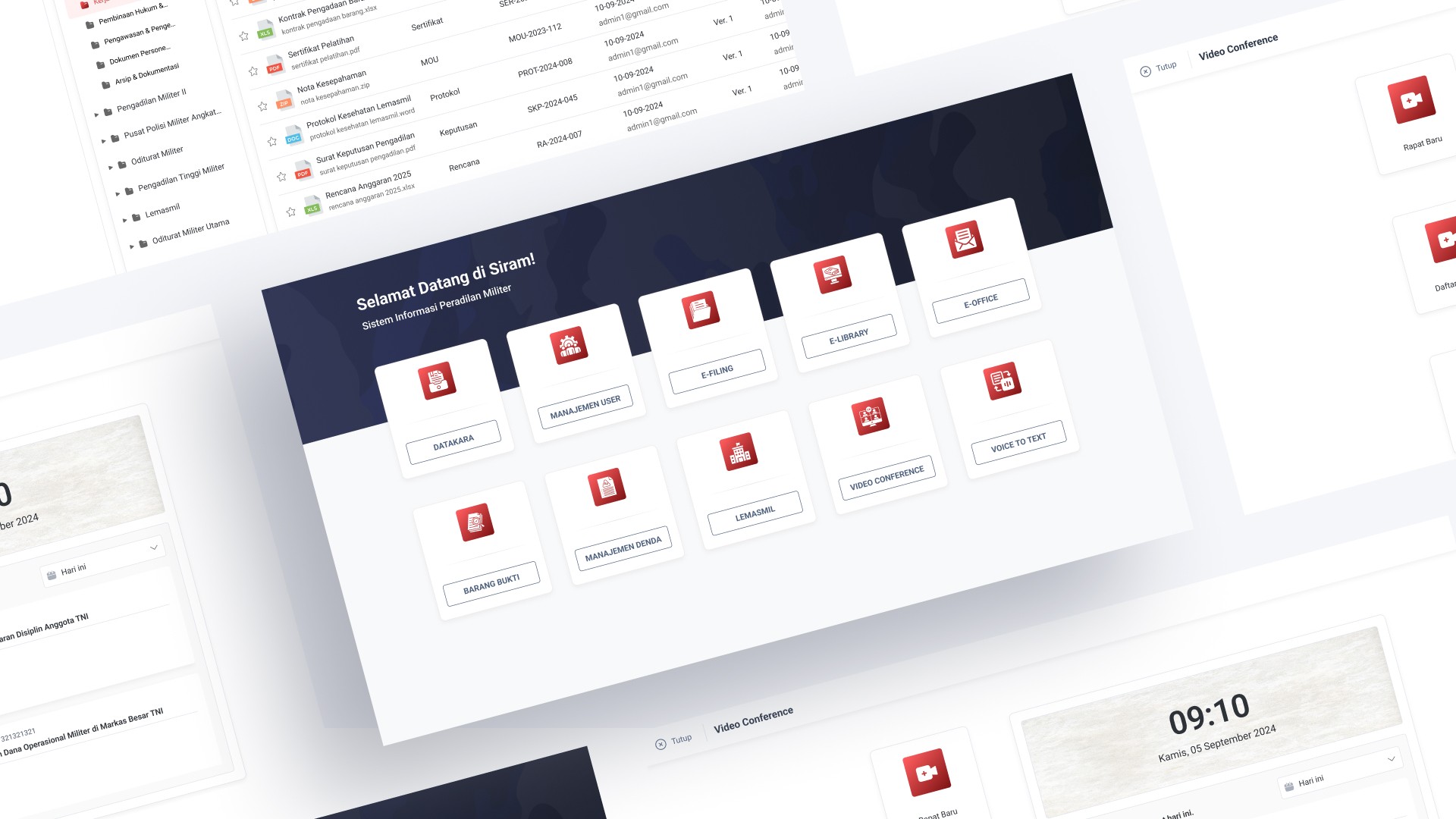
SIRAM: A Modular Military Justice System
Digitizing Military Court Processes through a Centralized, User-Friendly Platform.
[Project Overview]
SIRAM (Sistem Informasi Peradilan Militer) is an integrated e-court platform designed to digitalize the entire military justice process. This includes everything from managing correspondence and cases, to conducting trials and overseeing military inmates.
[Problem Statement]
Paper-based processes slowed down operations and increased the risk of document loss.
Lack of visibility made it difficult to track case progress and evidence.
No real-time data limited leadership’s ability to make timely decisions.
Manual workflows in trials and inmate management caused delays and inefficiencies.
[Industry]
Goverment
[My Role]
UI/UX Designer
[Platforms]
Desktop
[Year]
2024
FSD Analysis
Brief Interpretation
Team Collaboration
Design Direction & Hypotheses
Disclaimer: All data, information, and visuals presented in this case study are dummy or conceptual data created solely for the purpose of UI/UX design and showcasing.
[Discover & Define]
I started by digging into the FSD, project brief, and having discussions with my team to really understand the key problems we needed to solve. This helped me set a clear direction for the design.
After that, I mapped out the goals to align user needs with the organization’s business objectives. The idea was to make sure the design isn’t just user-friendly, but also brings real value to the organization.
[Goals Mapping]
Business Goals
Increase Operational Efficiency.
Improve Institutional Productivity.
Inhance Accountability & Transparency.
Project Goals
To make it easy for users to accsess data & documents.
To make workflows more efficient.
To display accurate data and reports.
UX Goals
Easy accsess to the system and its features.
Fast and seamless processes.
Clear information & status visibility.
[The Solution]
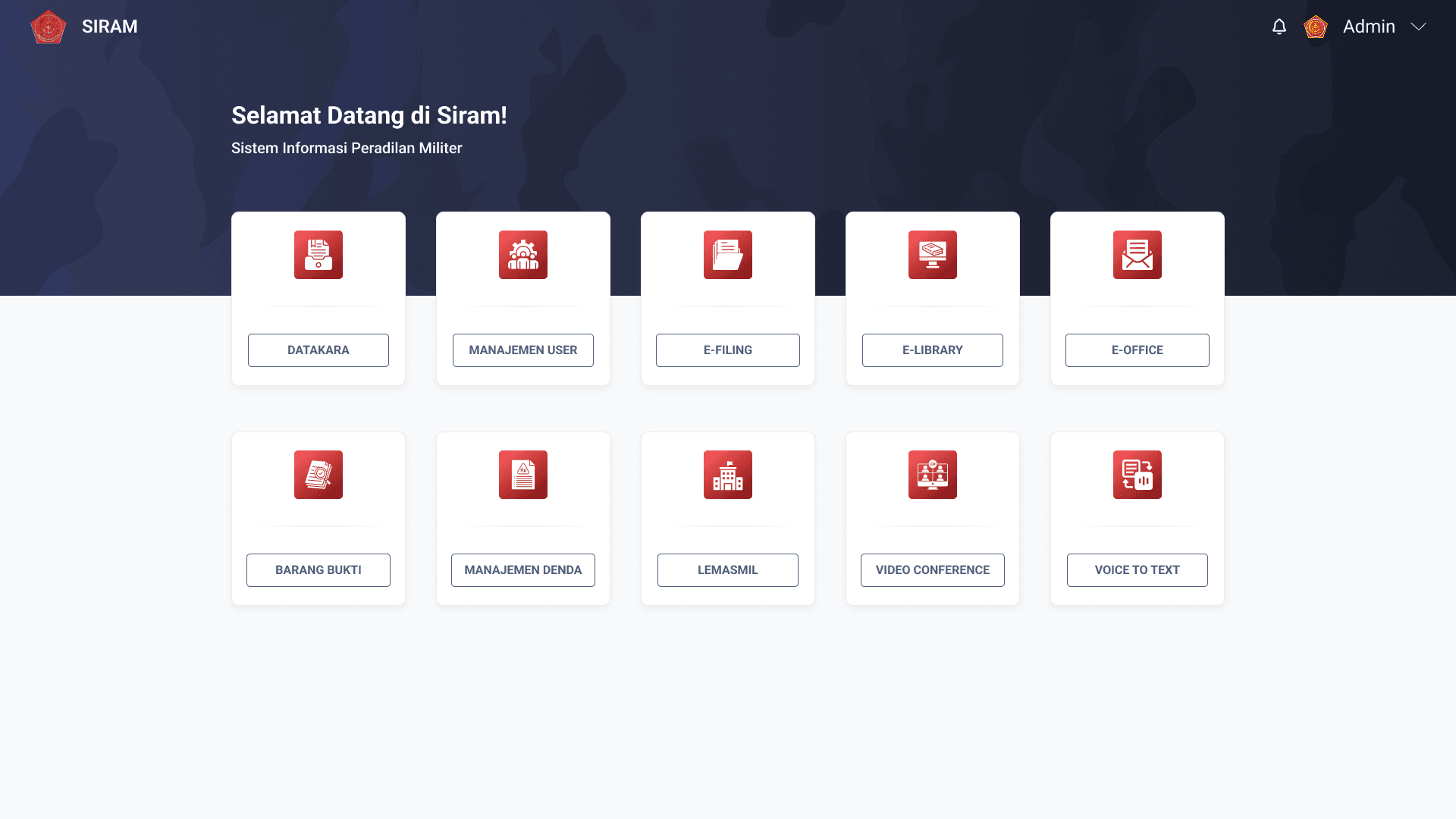
As a solution, an integrated digital ecosystem was designed, consisting of 10 core modules that cover various operational aspects of the military judicial system.
However, within the scope of this project, my focus was on designing 6 key modules:
[Ideate & Develop]
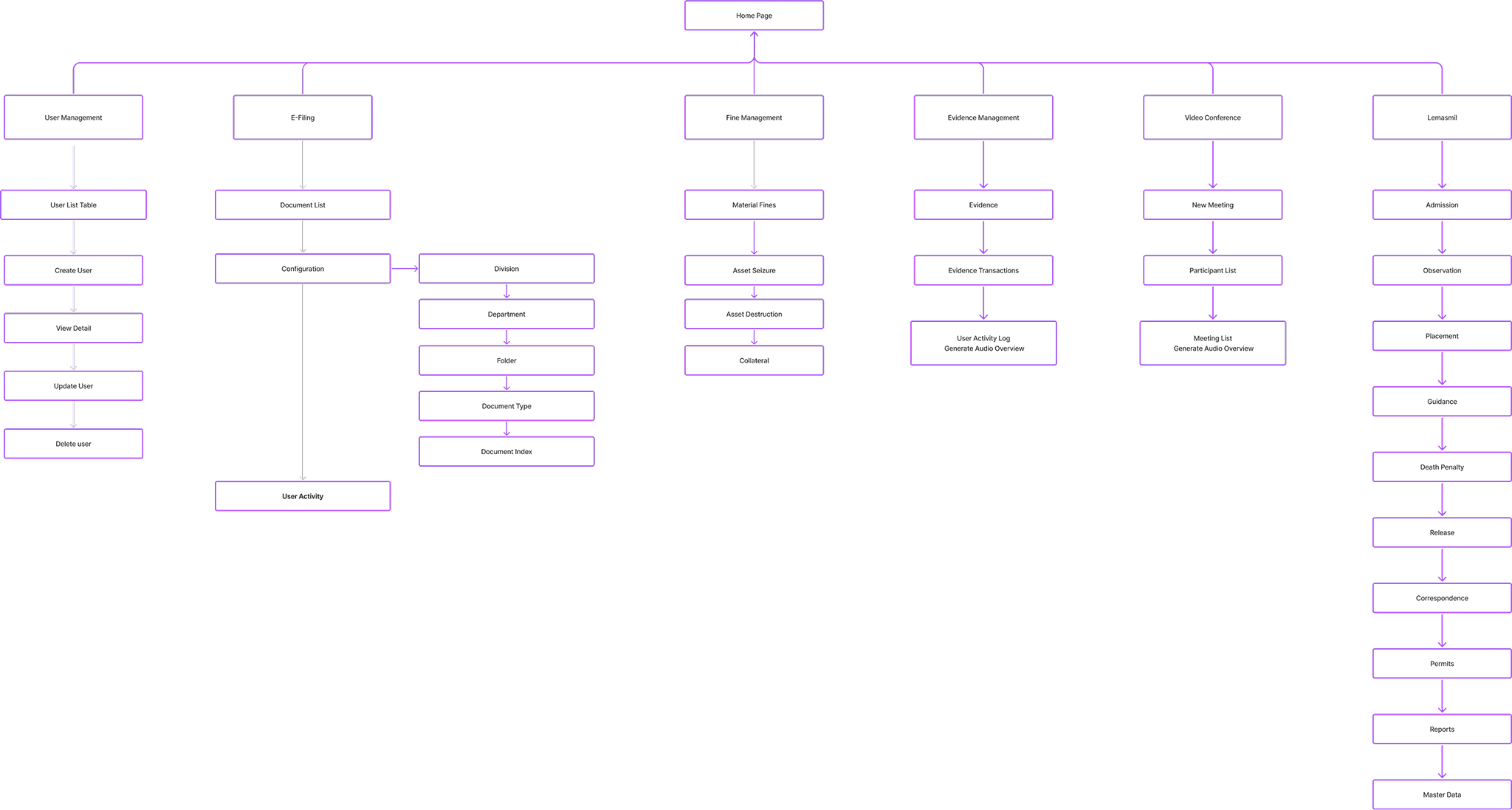
Information Architecture
I meticulously designed the application's content structure and navigation in a highly logical and intuitive manner. The goal was to ensure all modules were well-integrated and users could easily find the information or functions they were looking for.
[Designing & Iterate]
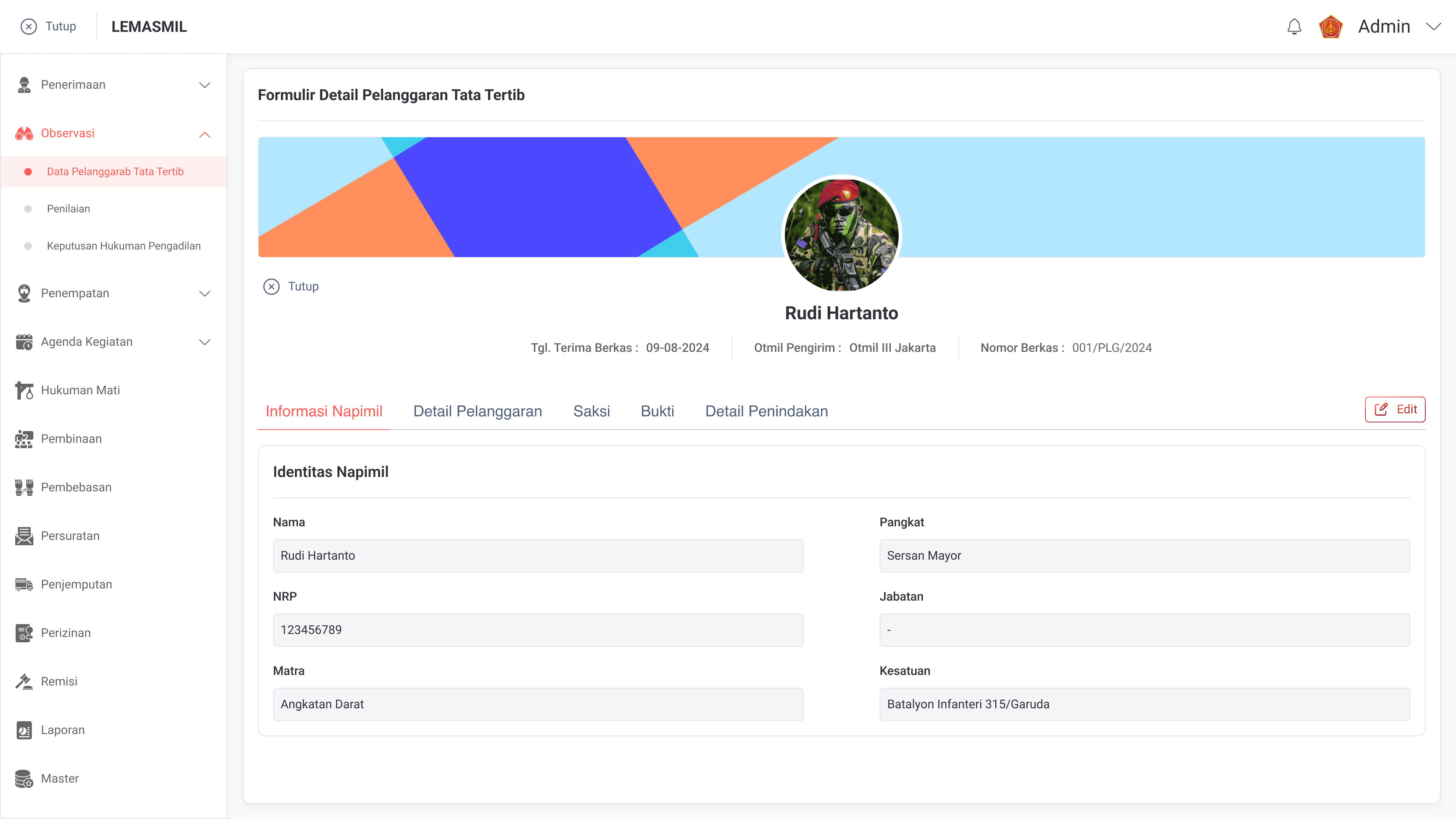
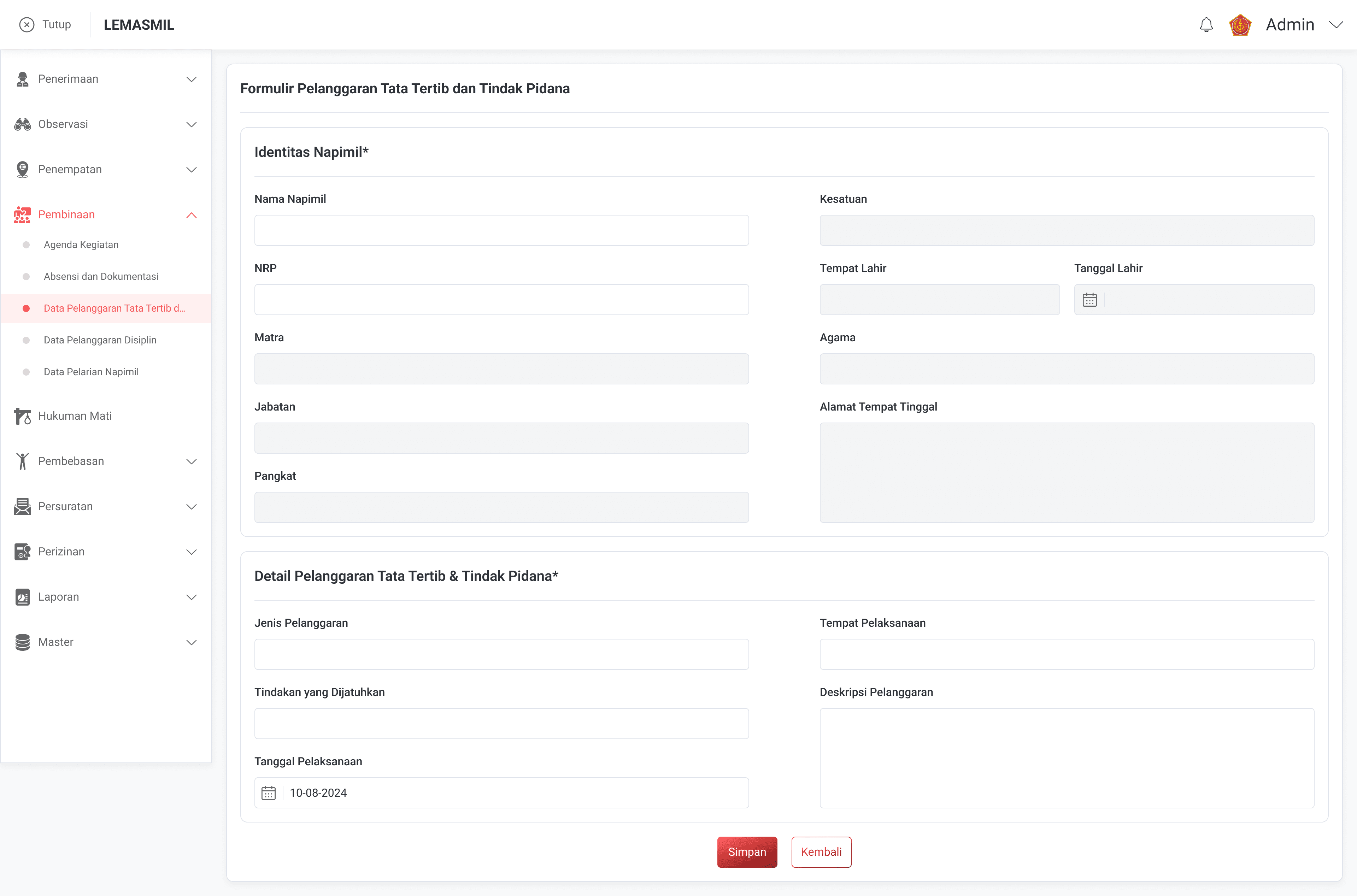
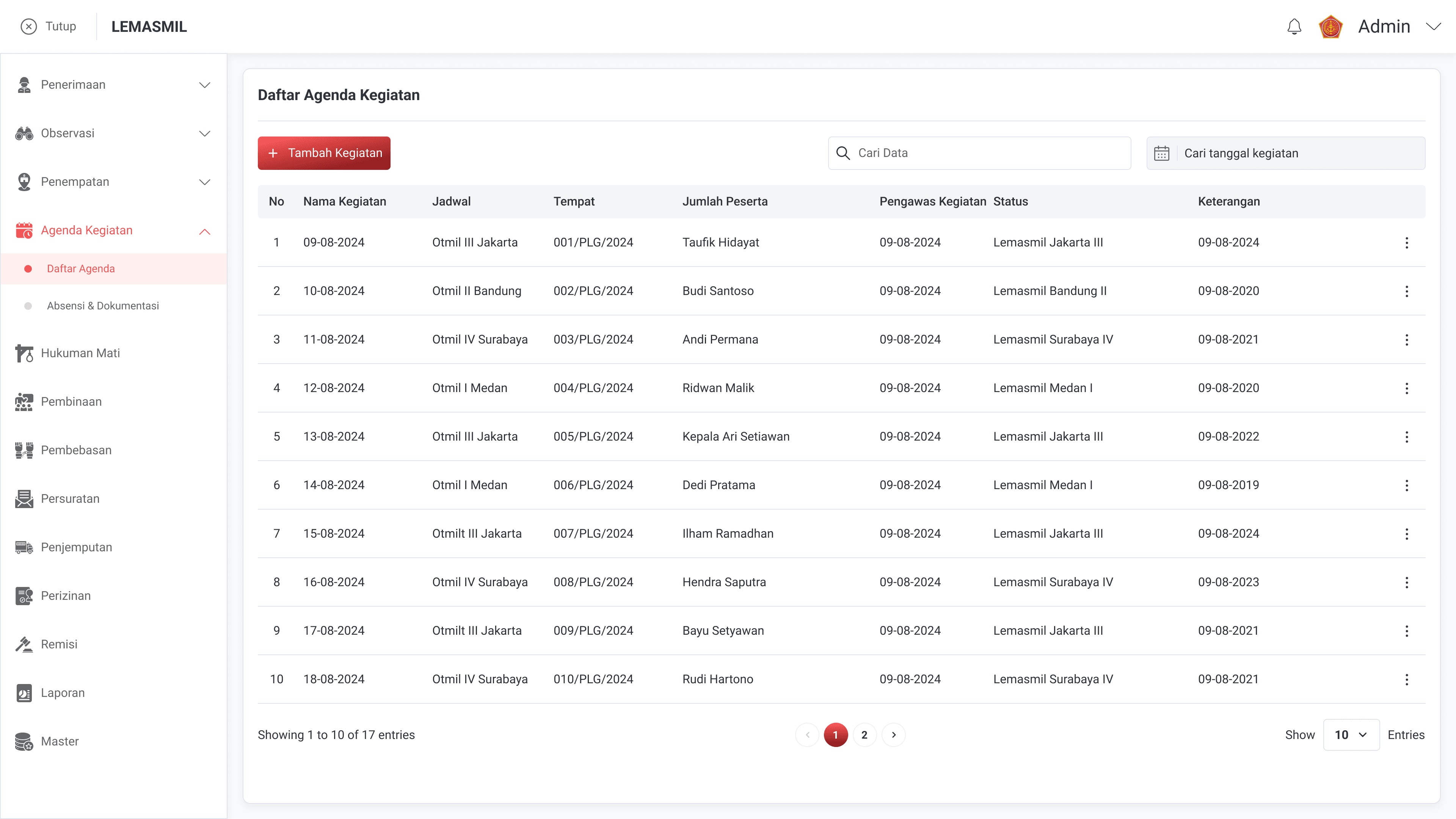
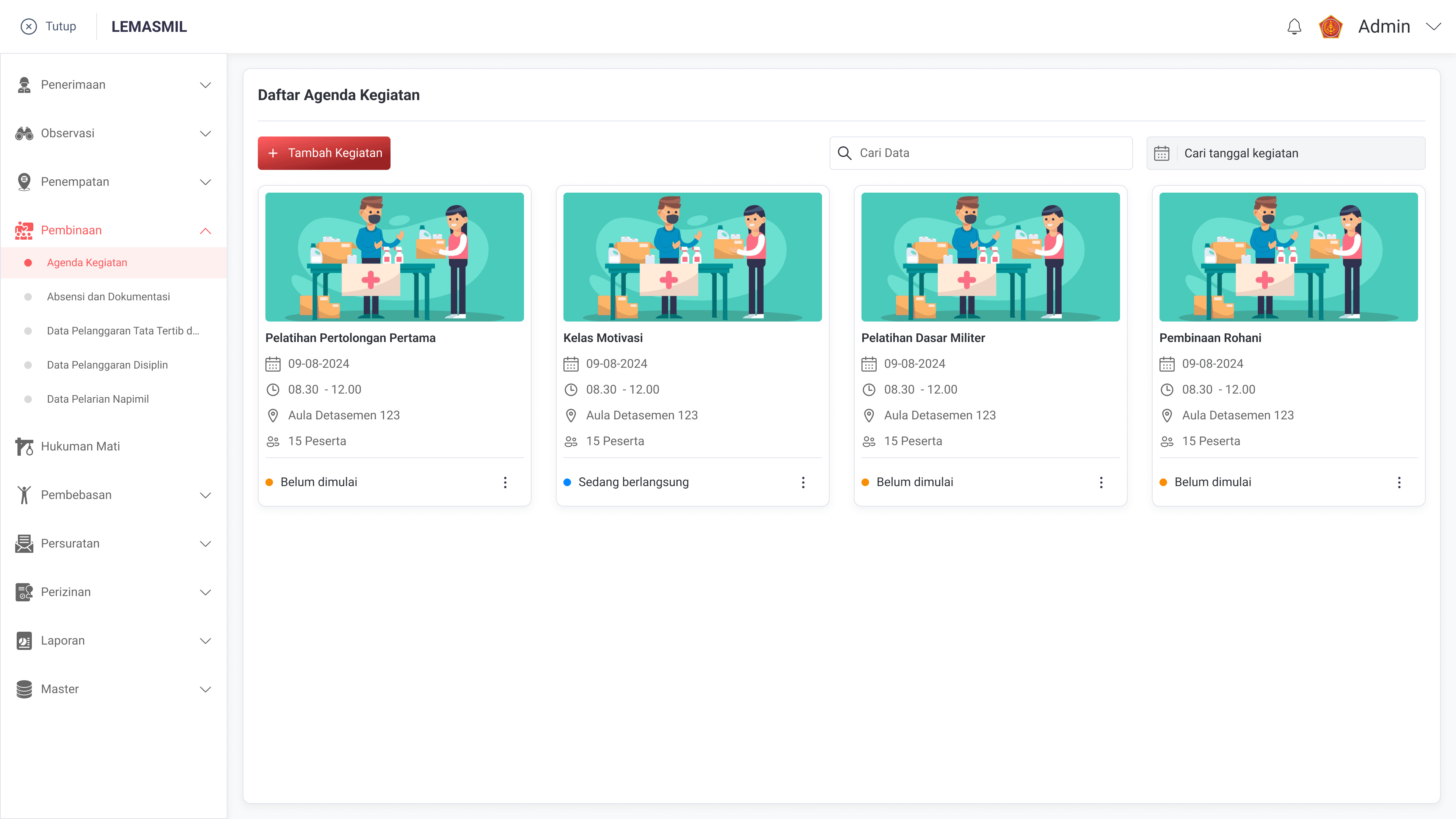
I developed the wireframes into high-fidelity final designs, which I then presented regularly to the internal team and stakeholders. The feedback received formed the basis for iterations, ensuring the final design was more refined and met the project's needs.
[Final Design]
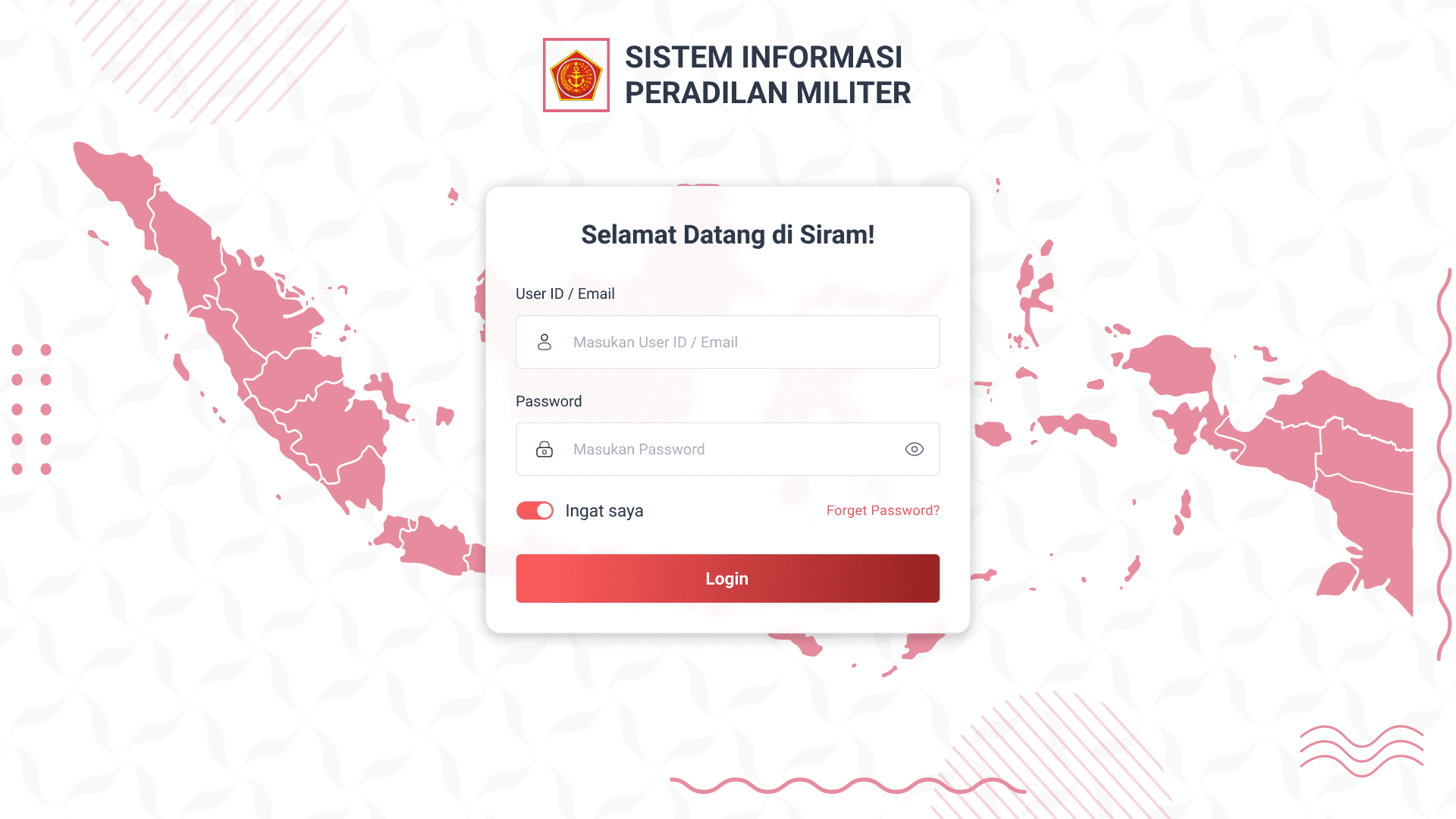
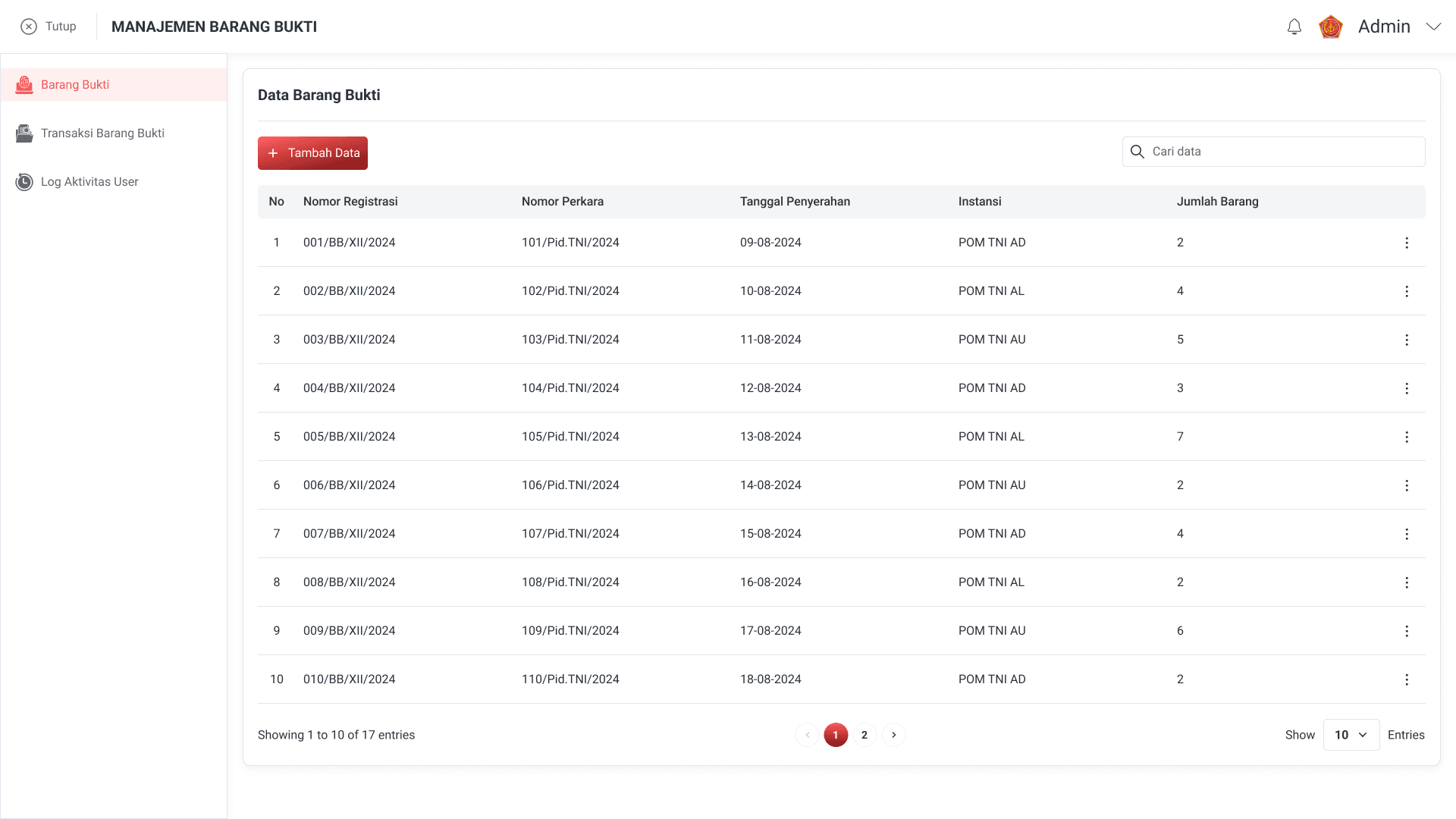
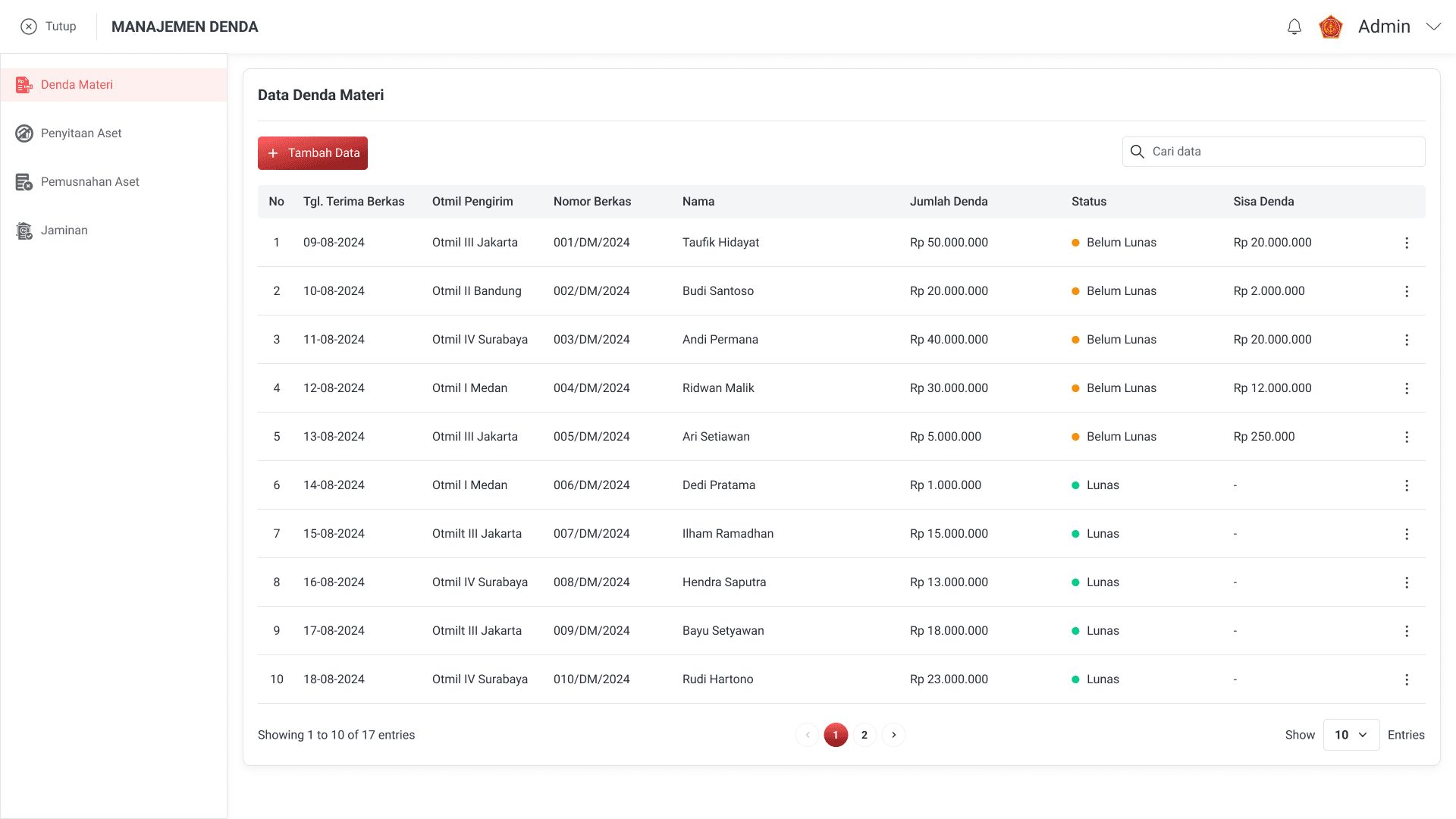
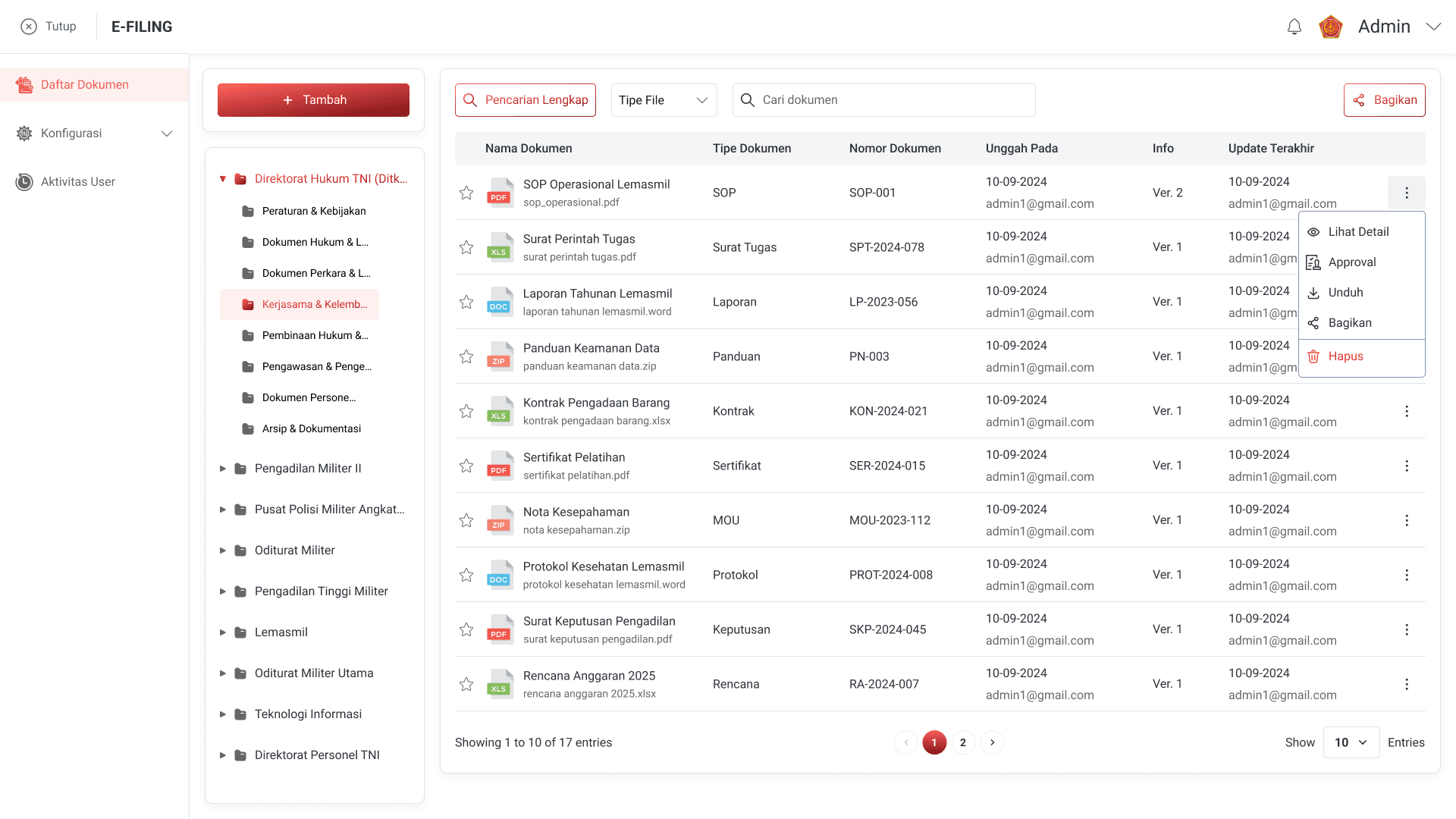
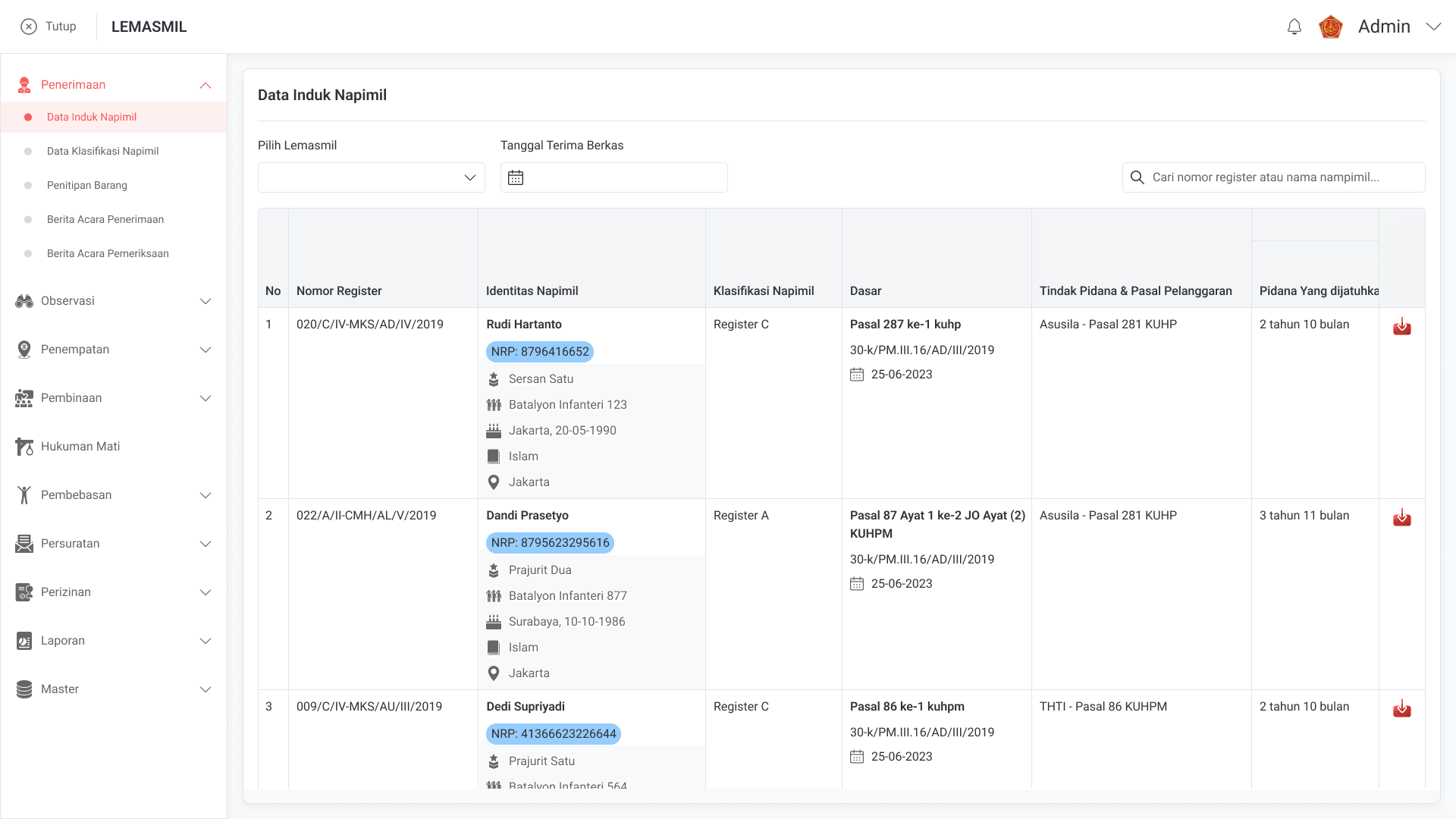
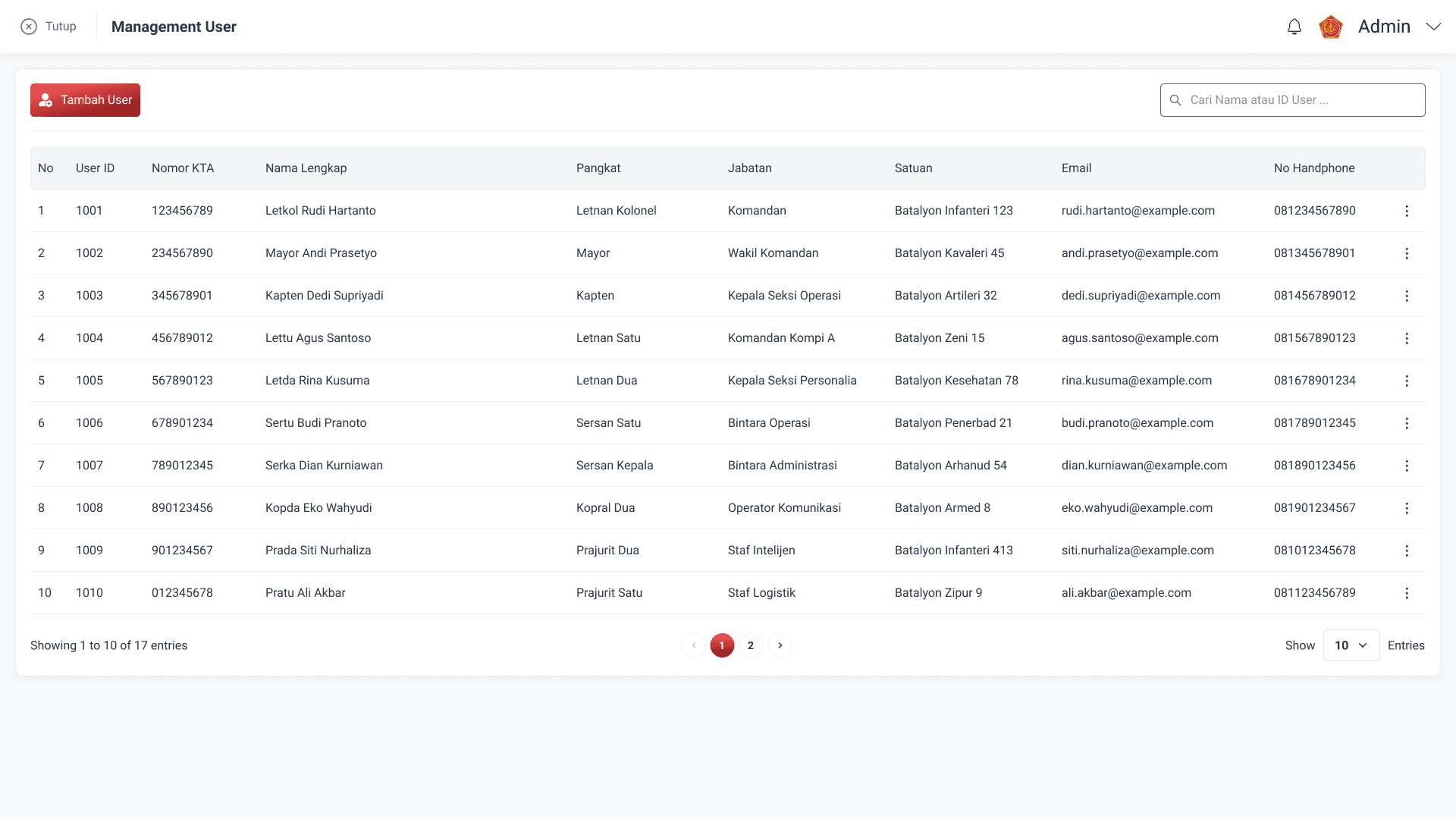
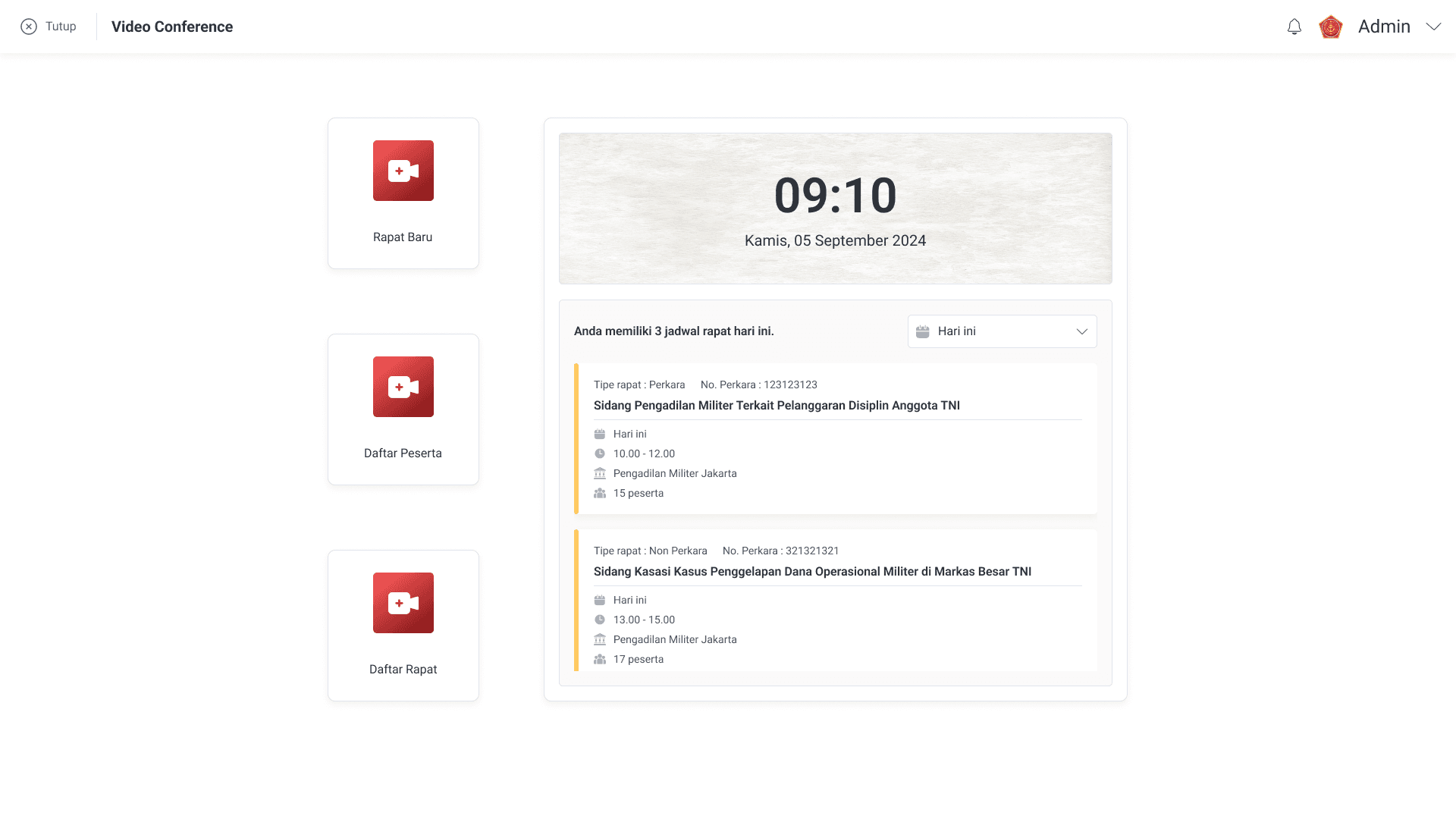
Here are the final designs for several key interfaces I created for SIRAM's main modules. These designs prioritize clarity, readability, and interaction efficiency, aligning with the precise needs of a military environment.

[Outcomes and Impact]
While SIRAM is still in the development phase and lacks quantitative data on its impact, I believe the designed solution can significantly address the challenges of the previous manual system.
With a needs-based and comprehensive design approach, this platform has significant potential to:
Increase Operational Efficiency: Reduce the time and resources required for case handling through comprehensive process digitalization.
Enhance Information Transparency: Provide clear, accurate, and centralized information access to authorized authorities and stakeholders, fostering accountability.
Improve Data Accuracy: Minimize human errors and ensure data consistency and integrity across the system, supporting better decision-making.