[Case 01]
Syncare: A Human-Centered Wellness App for Everyday Routines
Healthcare
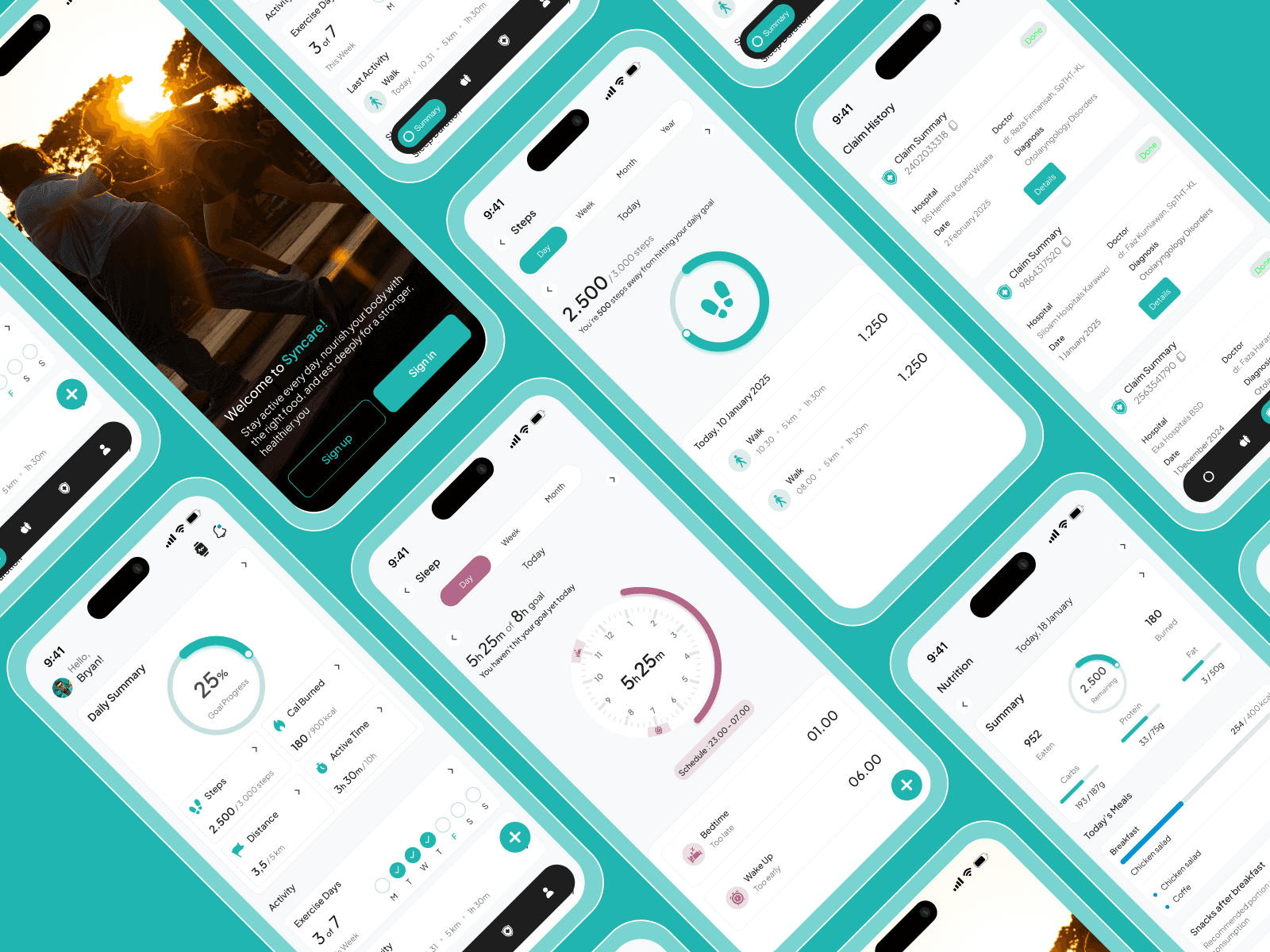
Syncare: A Human-Centered Wellness App for Everyday Routines
Redefining Simplicity in Health Tracking and Habit Formation
[Project Overview]
Syncare is a mobile wellness application designed to help users maintain a holistic life balance—from physical activity and daily nutrition to sleep quality. As a product of PT Syntech Mitra Integrasi, this app was developed with a human-centered design approach to create a light, personal, and meaningful experience.
[Problem Statement]
Many people want to live healthier lives, but give up because wellness apps feel overwhelming, fragmented, or impersonal. I believe that wellness should be simple, supportive, and adapted to real-life routines—not the other way around.
[Industry]
Healthcare
[My Role]
UI/UX Designer
[Platforms]
Mobile App
[Year]
2025
The Design Process
[Wellness Starts with Empathy]
For Syncare, I aimed to understand how everyday people experience wellness, what motivates them, what holds them back, and how they interact with digital tools. By identifying emotional and behavioral patterns, I grounded the design in human realities, not just features.
I conducted user interviews to uncover real barriers in building healthy habits, which shaped Syncare’s user-centered approach.
At the same time, competitive analysis revealed a clear gap in integrated, personalized, and emotionally supportive wellness solutions.
[Affinity Mapping]
Simple and Flexible Needs
Integrated and Easy-to-Understand Tracking
Privacy and Data Control
Relevant Insights and Support
From the interviews, I identified five recurring insights about how people engage with wellness habits and their expectations toward digital support.
Simplicity encourages consistency
Users often abandon wellness apps that feel complex or time consuming to navigate. They are more likely to stick with apps that feel effortless, intuitive, and easy to access even during a busy day.
Fragmented tracking causes frustration
Switching between separate apps for sleep, nutrition, and workouts reduces motivation.
An integrated experience is key to helping users stay engaged over time.
Users demand control over their data
Privacy is a priority. Most users want to decide what data is tracked, stored, and shared without being forced into social or competitive features.
Supportive feedback beats strict goals
Motivation grows from gentle nudges and positive reinforcement. Users prefer to be encouraged for small wins rather than pressured to meet rigid benchmarks.
Structure is helpful, when it's optional
Motivation grows from gentle nudges and positive reinforcement. Users prefer to be encouraged for small wins rather than pressured to meet rigid benchmarks.
Different goals, different definitions
Each user defines “healthy” differently. Some focus on sleep, others on stress, some on movement. A one-size-fits-all approach often fails to address real individual needs.




[From Insight to Design Direction]
After synthesizing the research findings, I defined a focused problem space grounded in the real needs, behaviors, and emotional triggers of users. The goal was not just to solve a functional gap—but to design a solution that feels helpful, motivating, and aligned with real-life routines.
Users don’t need another app that tracks numbers, they need a wellness companion that:
Simplifies habit tracking without overwhelming them
Integrates sleep, nutrition, activity, and reflection in one place
Offers gentle support that feels encouraging, not judgmental
Adapts to their lifestyle, not the other way around
[User Persona]

Nia Kusuma
Marketing Executive
I just want wellness tracking to be simple and fast—nothing that slows me down.
Age: 29
Location: jakarta
Tech Proficiency: High
Gender: Female
[Goal]
Seeking balance despite a busy schedule.
Looking for a simple way to track healthy habits.
Aiming for work-life balance amid high demands.
[Frustrations]
Often forgets to exercise or stay hydrated.
Finds most wellness apps too complicated.
Overwhelmed by complex wellness platforms.
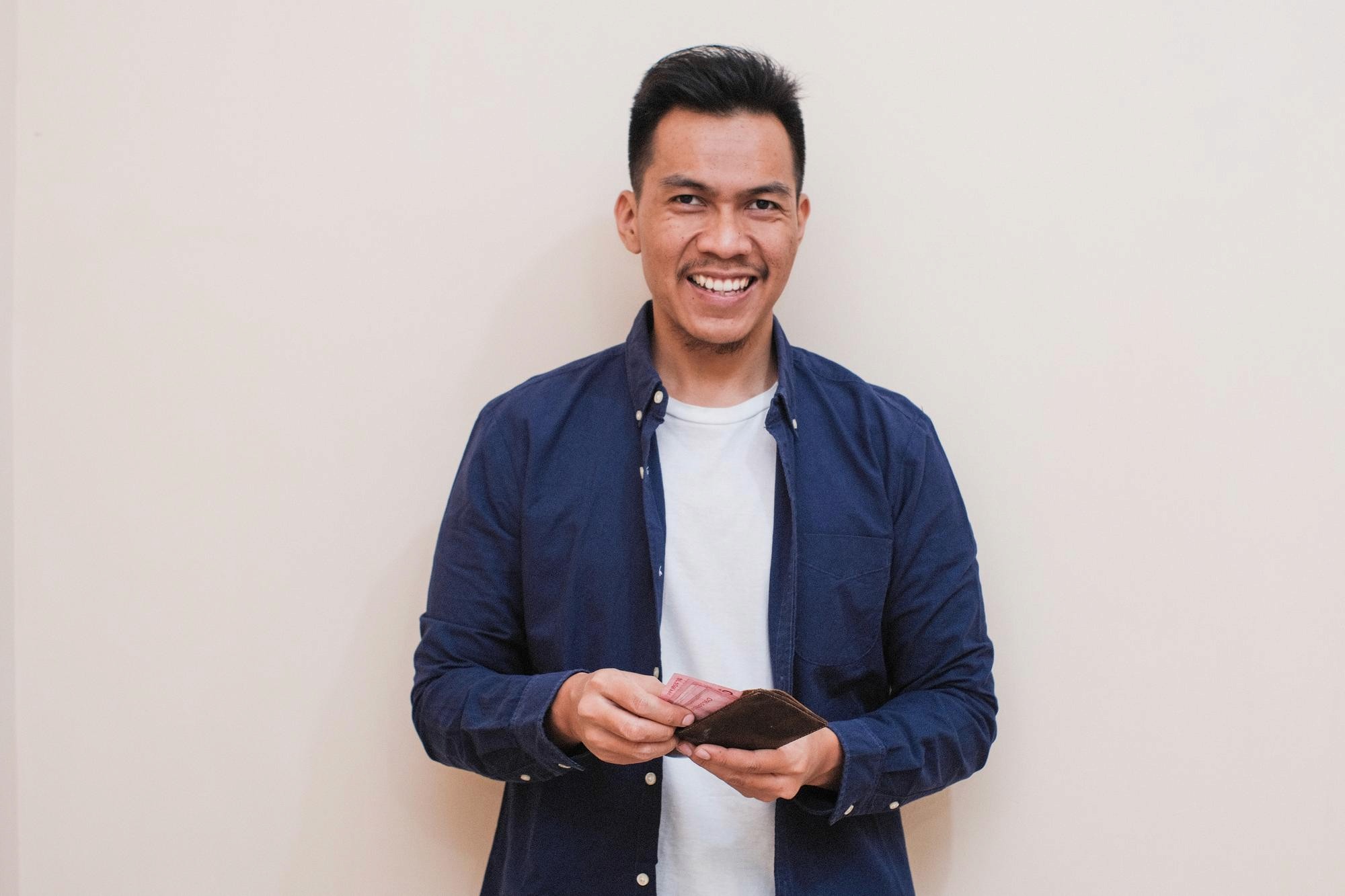
Budi Darmadi
Freelancer
I need something flexible that fits into my routine—without feeling like another job.
Age: 35
Location: jakarta
Tech Proficiency: Medium
Gender: Male
[Goal]
Maintaining sleep and energy to stay productive.
Becoming more mindful of eating habits.
Managing focus and stamina throughout the day.
[Frustrations]
No time to manage multiple apps.
Feels discouraged when failing to meet app targets.
Lacks time to juggle different wellness tools.

Sari Wati
Student
I want an app that helps me understand my progress, not just throw numbers at me.
Age: 20
Location: jakarta
Tech Proficiency: High
Gender: Female
[Goal]
Building small healthy habits into their daily routines.
Monitoring daily activity and mood.
Building small habits towards a healthy lifestyle.
[Frustrations]
Often confused reading data that are too technical.
Confused reading smartwatch app graphs.
Too many stressful notifications.
[Designing the Right Experience]
I used the MoSCoW framework to prioritize features based on user needs and project feasibility. This helped define a clear roadmap for the MVP, separating essential core features from enhancements that could be added in future iterations.
Must Have
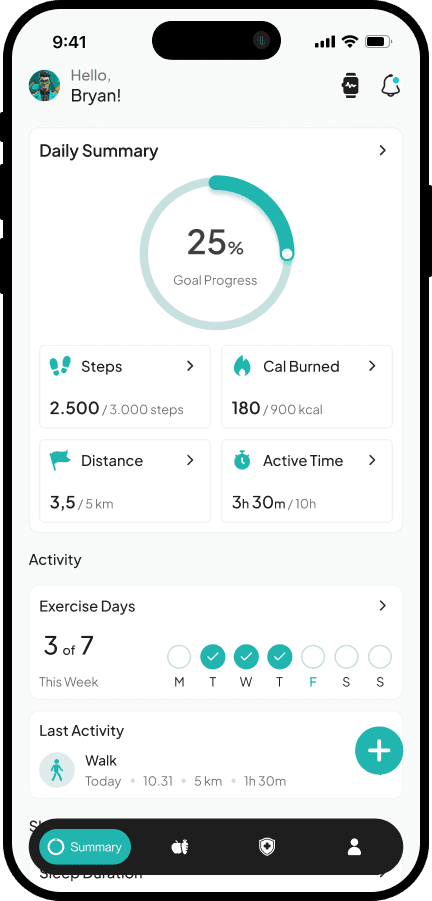
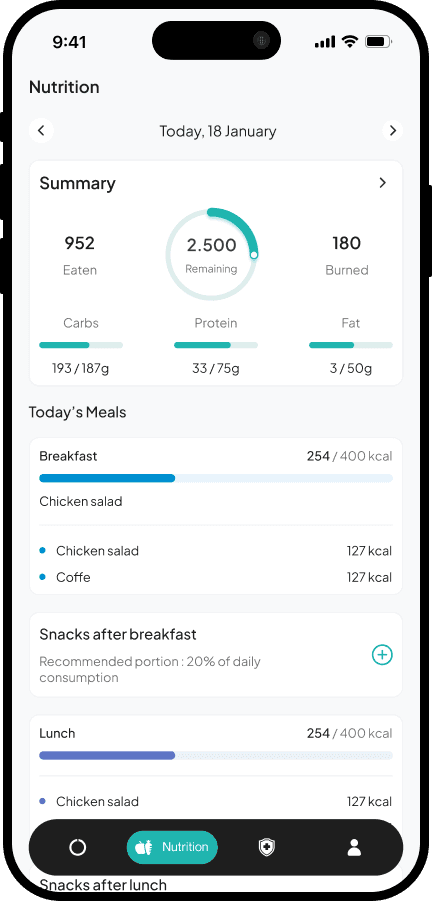
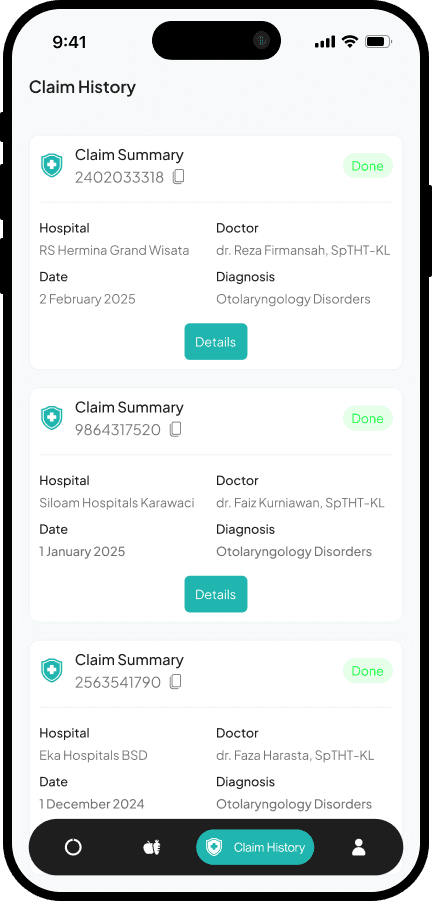
Unified wellness dashboard
One central place for sleep, activity, food, and journal data.
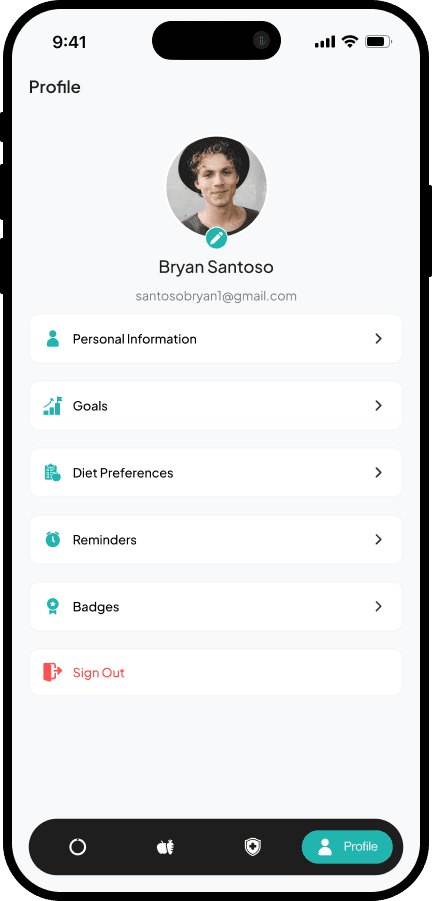
Custom habit & goal tracker
Personalized habit tracking with flexible inputs.
Gentle reminders
Non-intrusive nudges for encouragement, not pressure.
Should Have
Weekly insights & reports
Light, motivational progress summaries.
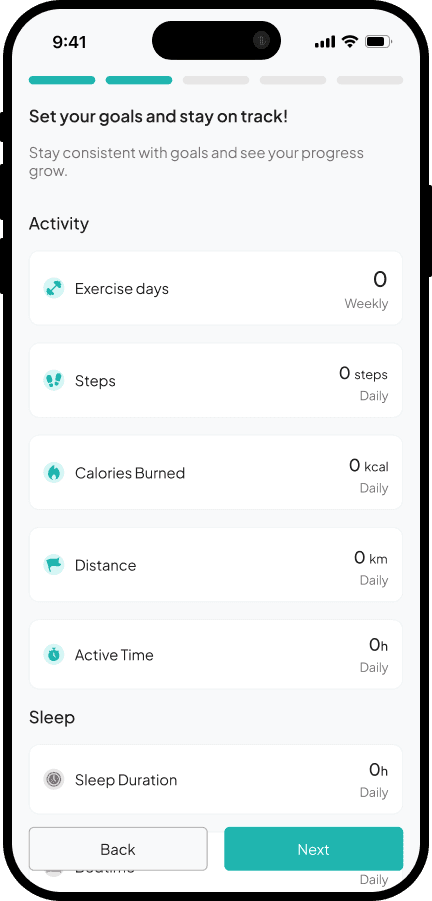
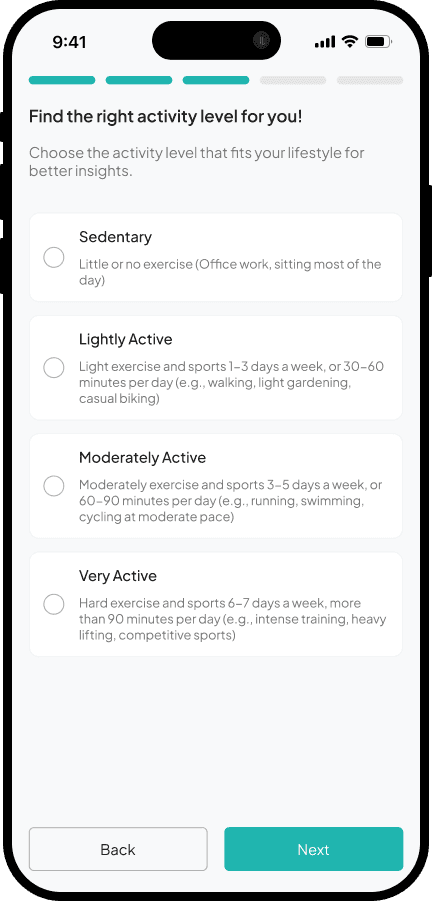
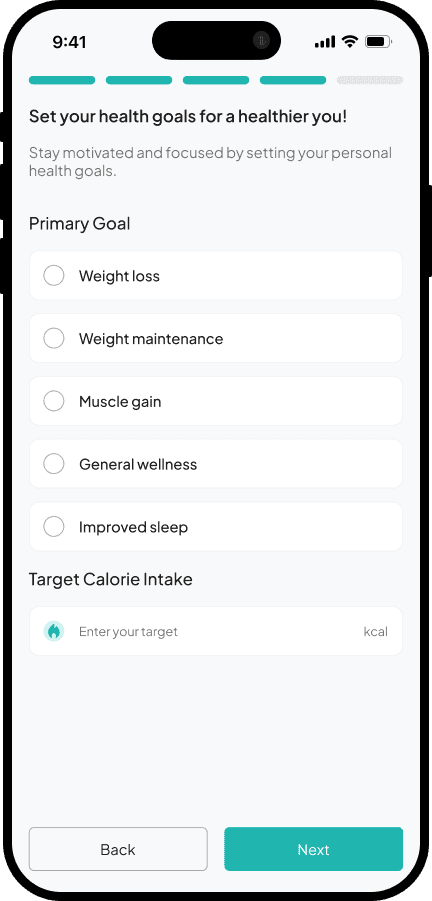
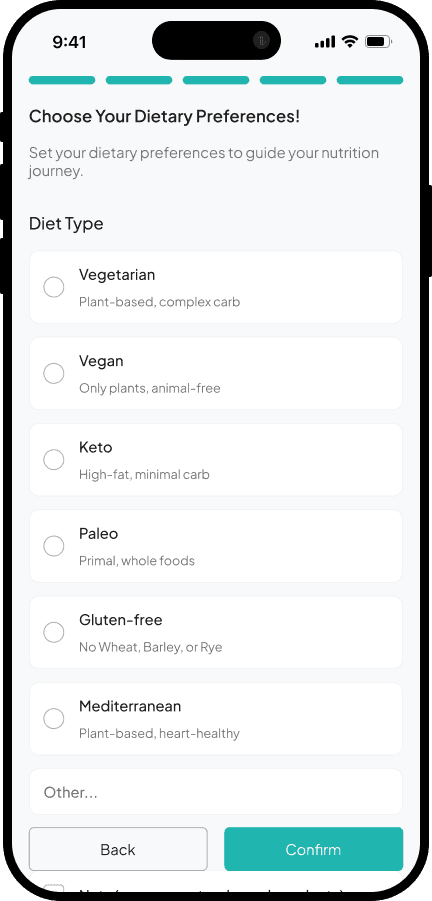
Guided setup for first-time users
Smooth onboarding for new users.
Sync with wearables
Compatibility with Fitbit, Apple Watch, etc.
Could Have
Gamified challenges
Group or solo habit-building incentives.
Community-driven goals
Light peer support via shared habits.
Integration with calendar or notes
For deeper habit syncing with daily routines.
Won’t Have
Strict calorie counting or macros
Avoided to reduce pressure and encourage mindfulness.
Public progress sharing
Omitted to protect privacy and reduce comparison.
Heavy analytics or data exports
Postponed to avoid cognitive overload.
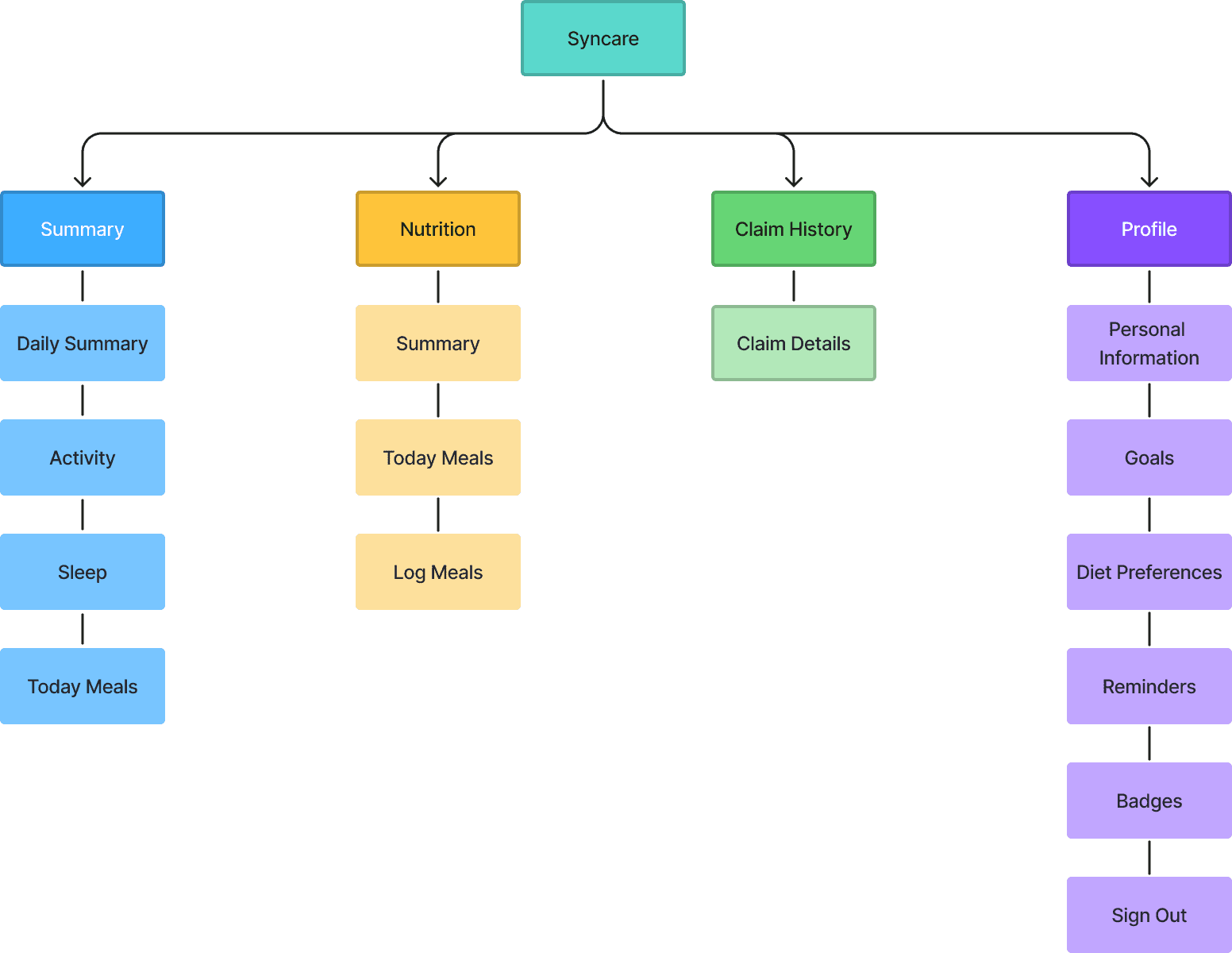
[Information architecture]
I designed a clear, intuitive structure that ensures that users could quickly navigate to the tools they needed.
[Design System]
[Typography]
Plus Jakarta Sans
ABCDEFGHIJKLMNOPQRSTUVWXYZ
abcdefghijklmnopqrstuvwxyz
Regular
Medium
Semi-Bold
Bold
[Colors]
Primary
10%
20%
30%
40%
50% (Base)
60%
70%
80%
90%
Secondary
10%
20%
30%
40%
50% (Base)
60%
70%
80%
90%
Tertiary
10%
20%
30%
40%
50% (Base)
60%
70%
80%
90%
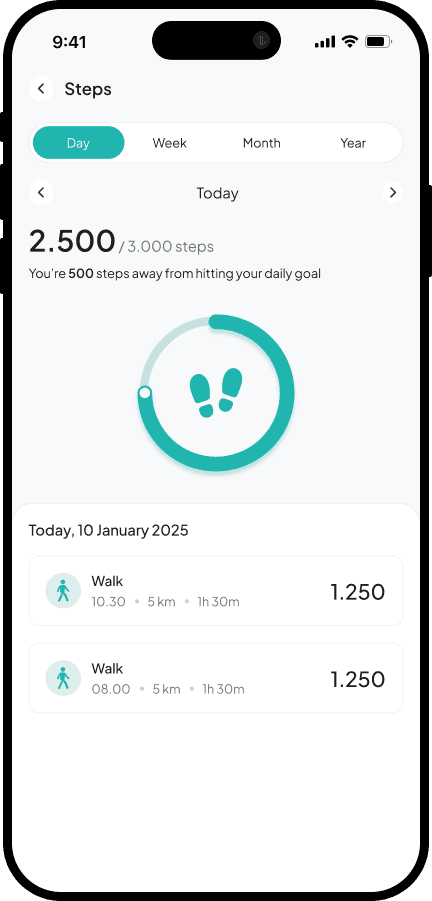
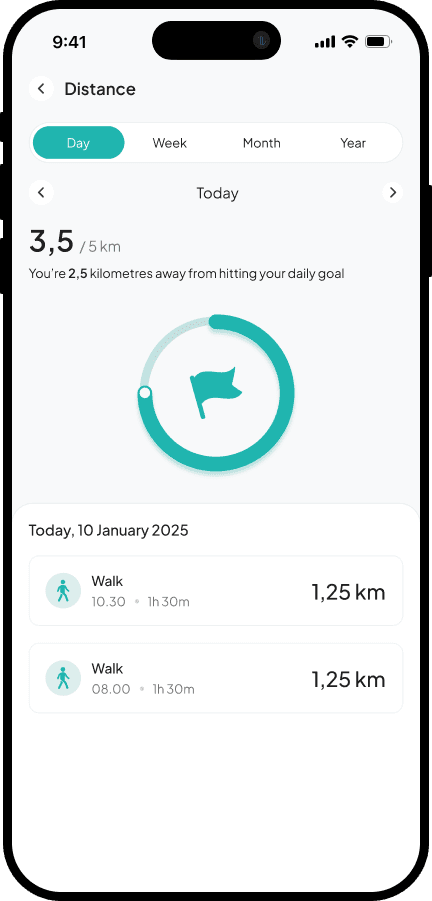
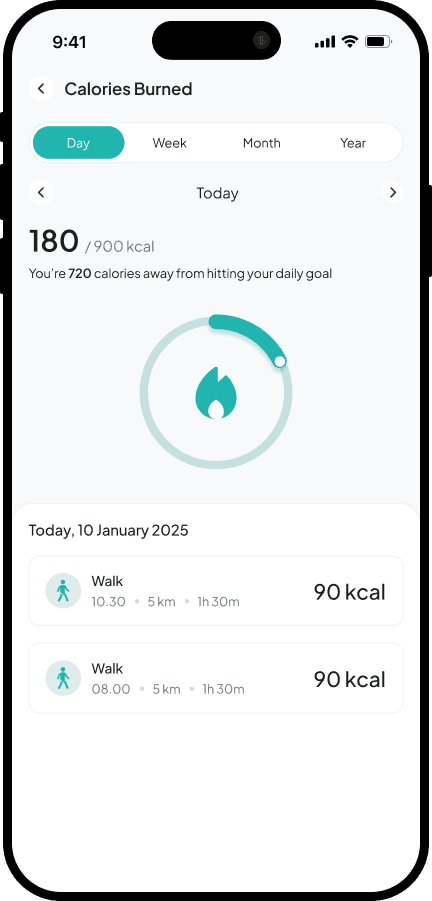
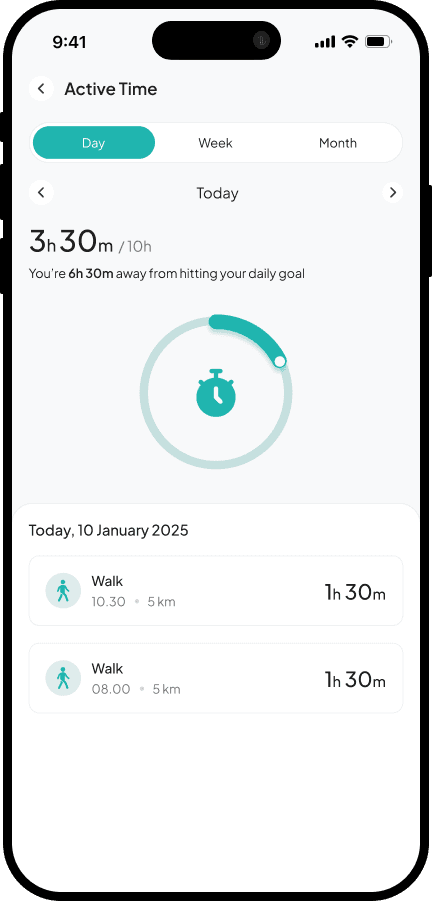
[Final Design]
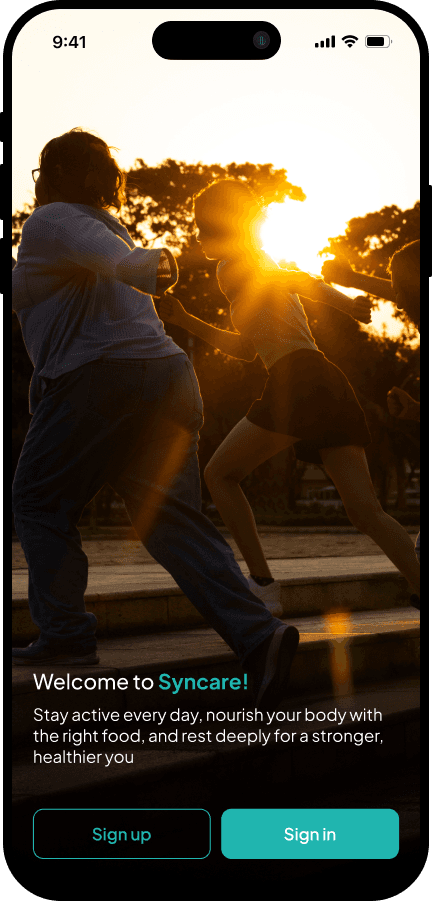
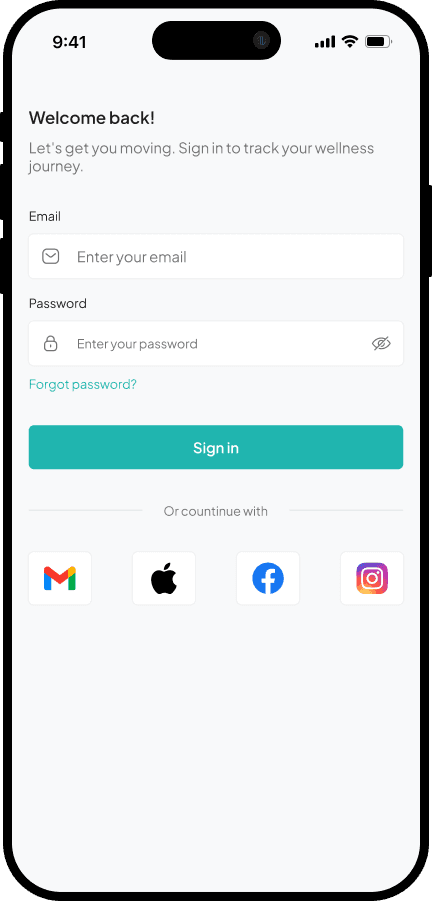
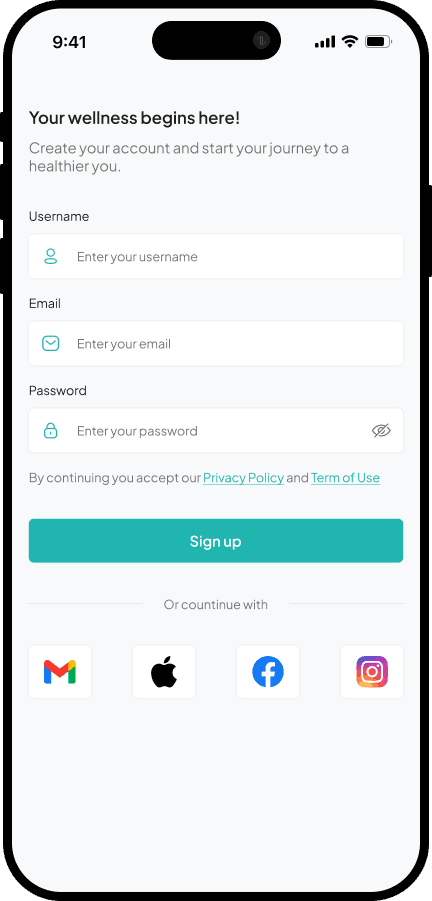
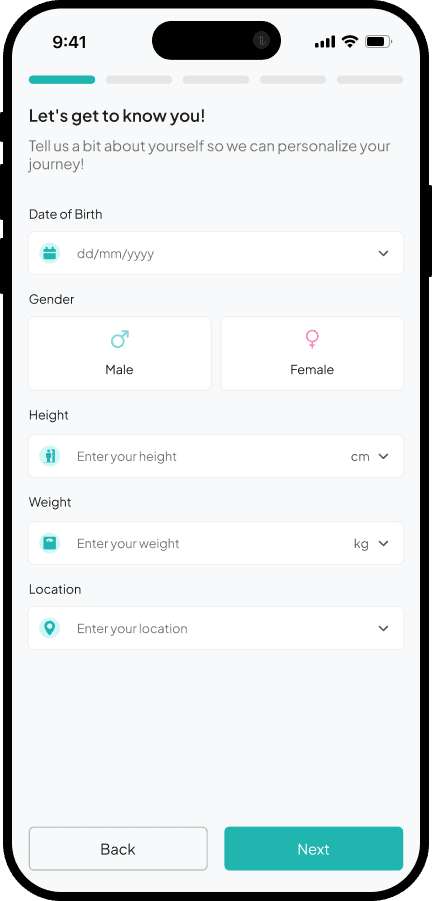
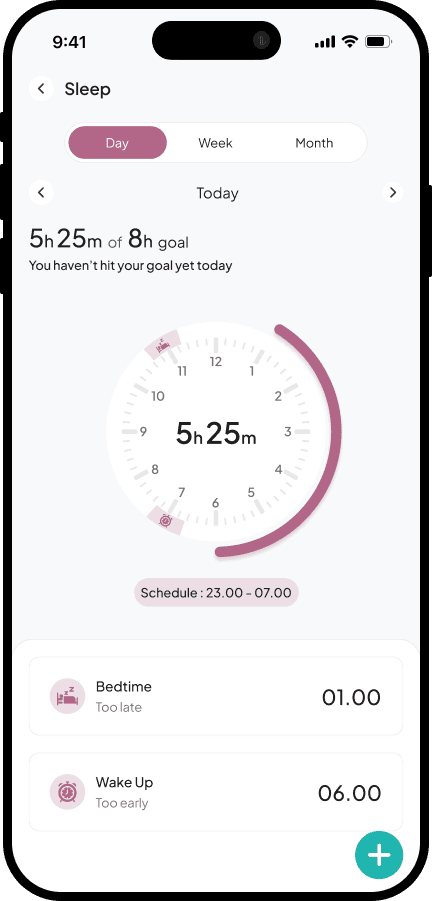
[Usability Testing]
To validate the Syncare experience, I conducted usability testing sessions with users from various lifestyles, ranging from busy professionals to casual fitness enthusiasts. These sessions aimed to uncover usability issues, assess the intuitiveness of the core features, and identify unmet needs in the user flow.
The sessions were complemented by feedback comparisons from users of competing wellness apps like Fitbit, Apple Fitness, and Yazio.
Key Scenarios Tested
Tracking daily habits and wellness goals
Navigating the dashboard and interpreting progress
Setting reminders and customizing preferences
Positives
Simplified dashboard helped users feel less overwhelmed and more focused.
Personalized goals and habit tracking made the experience feel relevant to their routines.
Gentle reminders were appreciated as non-intrusive yet effective nudges.
Unified tracking view eliminated the need to switch between different wellness apps.
Suggested Improvements
Users wanted more control over notification frequency and tone.
Several testers asked for onboarding tips or micro-tutorials to better understand features at first use.
Some expected pre-built habit templates to reduce setup friction.
Visual summaries (charts/weekly digests) were requested to make progress feel more tangible.
A few found language or icons on secondary features slightly ambiguous.
[Results & Impact]
Through a human-centered design approach, Syncare successfully bridged the gap between wellness tracking and emotional support. By integrating multiple aspects of daily health into one unified, easy-to-use platform, Syncare redefined how users interact with wellness apps—not just as trackers, but as daily companions.
Strategic Outcomes
A well-defined problem space emerged from deep research, revealing key user needs: simplicity, autonomy, and emotional motivation.
A cohesive product strategy was formed, distinguishing Syncare from competitors that tend to be data-heavy or overly fragmented.
Validated user personas and journey mapping led to emotionally aligned features like mood journaling, gentle reminders, and customizable dashboards.
Product Impact
Increased usability through clean navigation, low cognitive load, and optional structure—addressing the needs of users with busy routines.
Emotional resonance by offering users a sense of control, reflection, and appreciation for small progress—something often missing in fitness-centric apps.
MVP-ready design system that balances visual clarity with warmth and flexibility, ready for implementation and usability iteration.
Design Takeaway
Syncare demonstrates that wellness design is not just about metrics—it’s about helping people feel seen, supported, and in sync with their own pace of life.